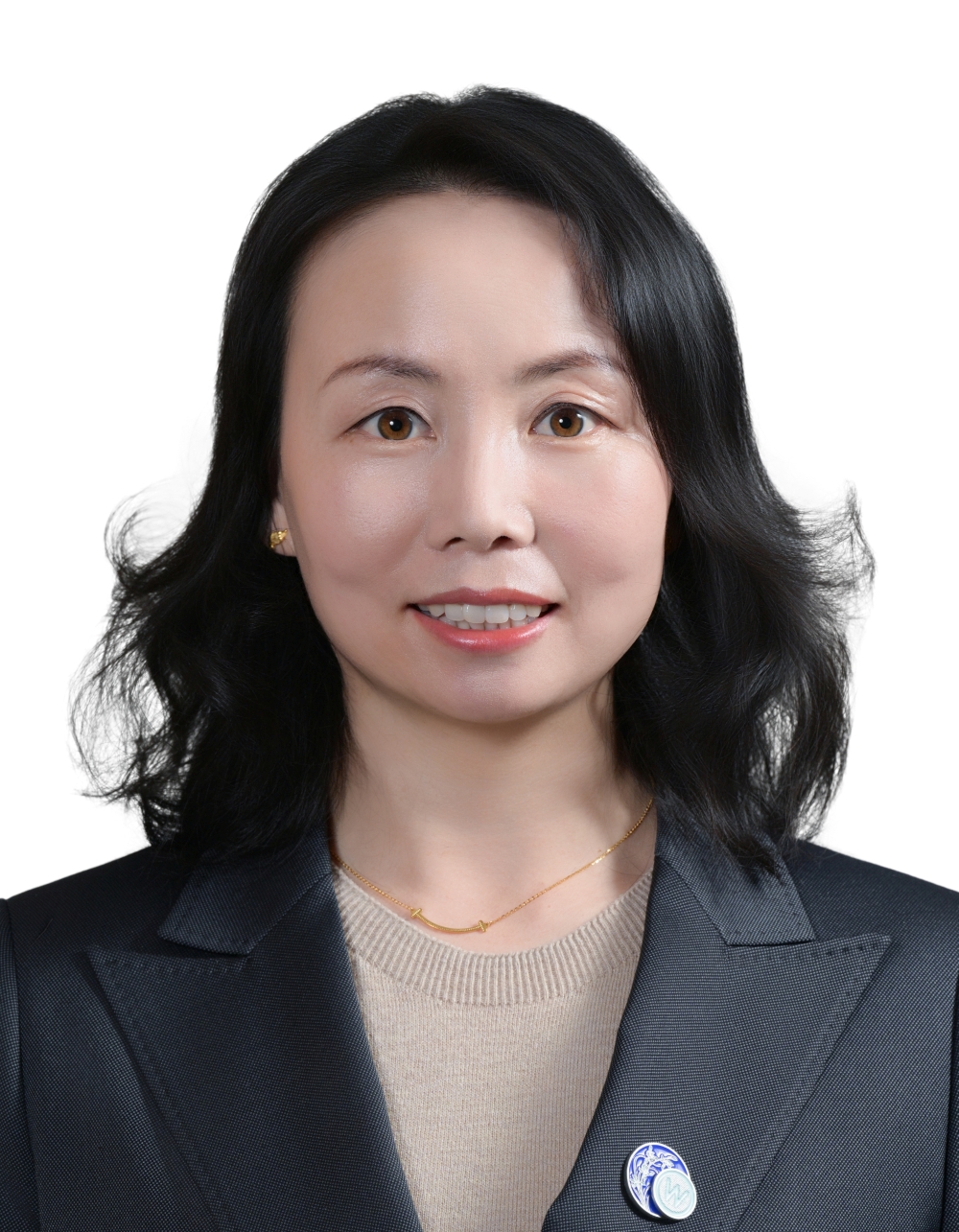
Guojin He is a senior research professor at the Aerospace Information Research Institute, Chinese Academy of Sciences (CAS). He serves as general Party branch secretary and academic and technical lead of the China Remote Sensing Satellite Ground Station, a national major scientific facility, and as deputy director of the CAS Big Earth Data Science Data Center. He holds a CAS distinguished research appointment (core position) and an appointed professorship at the University of Chinese Academy of Sciences, receives the State Council Special Government Allowance, and was selected for the CAS Key Technical Talent program. His long-standing research focuses on remote-sensing information engineering. He has led key projects of the National Natural Science Foundation of China, National Key Research and Development Program projects, CAS Category A Strategic Priority Research Program tasks, and tasks of the Second Tibetan Plateau Scientific Expedition and Research program. He proposed the concept of a ready-to-use (RTU) satellite data product archive and organized rapid processing systems for multi-source satellite RTU products and CASEarth DataBank, which integrates data, computing, and intelligent Earth observation services. He developed methods for recognizing impervious surfaces, photovoltaics, urban buildings, and marine aquaculture in high-resolution imagery, producing the first nationwide 2 m marine aquaculture product and a nationwide 0.3 m photovoltaic distribution product. His team’s global 30 m burned area, forest cover, and land-surface water products have been widely recognized and used. He leads the ecosystem parameter remote-sensing retrieval task of the Second Tibetan Plateau Scientific Expedition, developing quantitative retrieval methods for key ecosystem parameters. In the past five years, he has served as lead author/editor or deputy editor of two monographs, published nearly 50 papers including 34 SCI-indexed papers in Nature, RSE, TGRS, Applied Energy, and other journals, received six national invention patents, and won three provincial, ministerial, or professional society science and technology progress awards.